Introduction
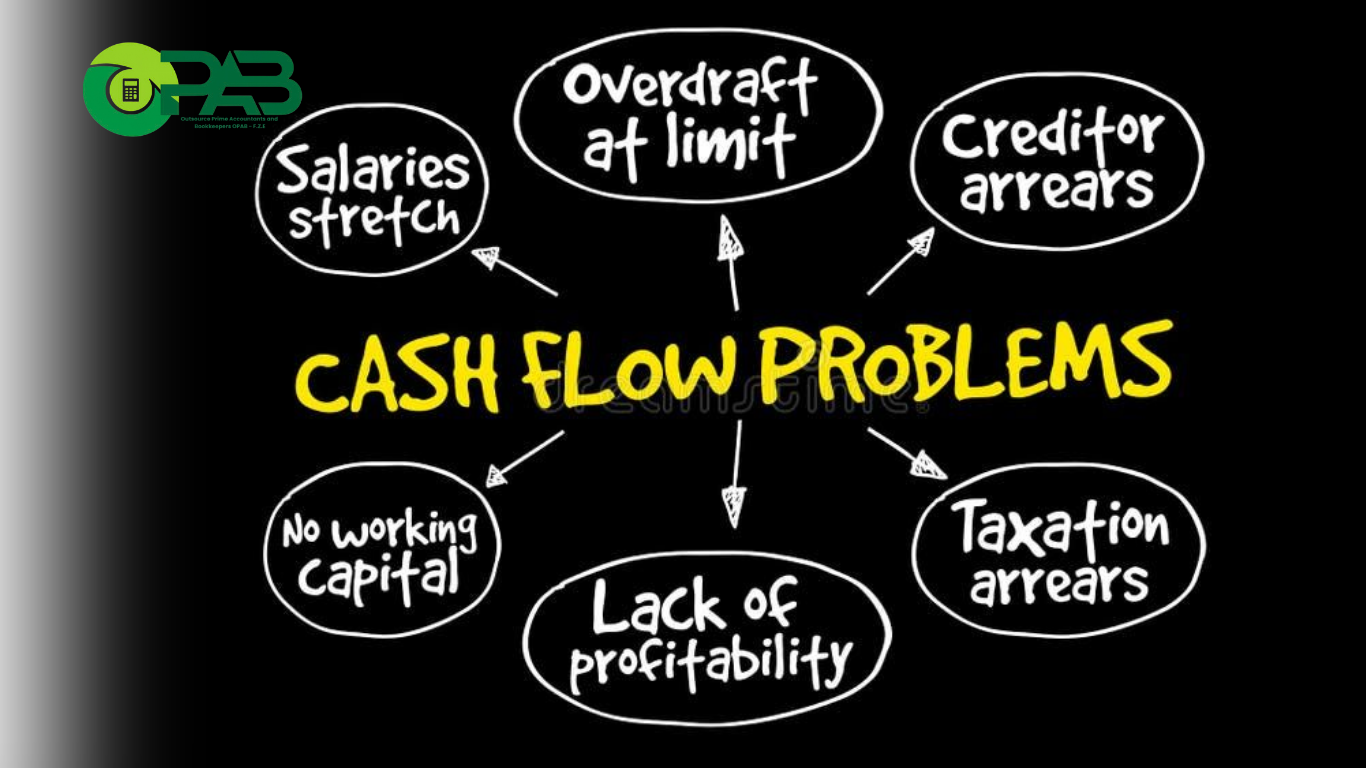
Running a profitable business doesn’t always mean having enough cash in the bank. This is one of the biggest surprises many small and medium-sized enterprise (SME) owners face. A business can generate strong sales, report healthy profits, and still struggle to pay suppliers, employees, rent, or taxes on time.
Cash flow—not profit—is what keeps a business operating day after day. Without enough cash available when expenses are due, even successful businesses can experience financial stress.
Understanding why cash flow problems happen and learning how to manage them effectively can help SMEs improve financial stability, make better business decisions, and support long-term growth.
What Is Cash Flow?
Cash flow is the movement of money into and out of your business over a specific period.
Cash coming into your business includes payments from customers, loan proceeds, investments, and other sources of income. Cash leaving your business includes payroll, rent, supplier payments, taxes, utilities, loan repayments, and everyday operating expenses.
A business has positive cash flow when it receives more cash than it spends, allowing it to comfortably meet its financial obligations. Negative cash flow occurs when cash going out exceeds cash coming in, making it difficult to cover daily expenses even if the business appears profitable.
Why Profit Doesn’t Always Mean Cash
Many business owners mistakenly believe that profit and cash are the same thing. While they are closely related, they are very different.
For example, imagine your company completes a project worth AED 100,000. Once the work is finished, the amount is recorded as revenue, increasing your reported profit. However, if your customer pays the invoice 90 days later, your business won’t receive the cash immediately.
During those three months, you still need to pay salaries, suppliers, rent, utilities, and taxes. Even though your financial statements show a profit, your bank account may not have enough cash to cover these expenses.
This difference between recorded income and actual cash received is one of the main reasons businesses experience cash flow problems.
Common Reasons SMEs Experience Cash Flow Problems
1. Late Customer Payments
One of the biggest causes of cash flow shortages is delayed customer payments. When clients take 60 or 90 days to settle invoices, businesses often struggle to cover their own operating costs.
To improve cash flow, businesses should send invoices immediately after completing work, offer convenient payment methods, automate payment reminders, and establish clear credit policies. Requesting deposits for larger projects can also help maintain healthy cash reserves.
2. Lack of Cash Flow Forecasting
Many SMEs focus on current bank balances instead of planning ahead. Without a cash flow forecast, businesses only react to financial problems after they occur.
A rolling 12-month cash flow forecast helps business owners estimate future income and expenses, identify potential cash shortages, and make informed financial decisions before problems arise.
3. Rapid Business Growth
Growth is exciting, but it often requires significant upfront investment. Hiring employees, purchasing inventory, buying equipment, expanding office space, and increasing marketing efforts all require cash before additional revenue is collected.
Without careful financial planning, rapid expansion can create more pressure on cash flow than slow, steady growth.
4. Excess Inventory
Holding too much inventory ties up money that could be used for other business needs. Products sitting in storage represent cash that cannot be used to pay suppliers, invest in marketing, or fund business operations.
Regular inventory reviews help businesses identify slow-moving products, reduce unnecessary stock levels, and improve working capital.
5. Inaccurate Bookkeeping
Poor bookkeeping prevents business owners from understanding their true financial position. Missing transactions, delayed reconciliations, or inaccurate records make it difficult to monitor cash flow, control expenses, and prepare reliable financial reports.
Maintaining accurate books provides better visibility into business performance and supports more informed decision-making.
6. Weak Budget Management
Without a budget, business expenses can gradually increase without anyone noticing. Small recurring costs eventually add up and reduce available cash.
Reviewing budgets every month allows businesses to monitor spending, identify unnecessary expenses, and improve overall profitability.
7. Mixing Personal and Business Finances
Many small business owners occasionally use business funds for personal expenses. While this may seem harmless, it creates confusion, complicates bookkeeping, and makes it difficult to accurately assess business performance.
Maintaining separate personal and business accounts improves financial reporting, budgeting, and tax compliance.
The Impact of Poor Cash Flow
Cash flow problems can affect every aspect of a business. Companies with insufficient cash may delay supplier payments, struggle to meet payroll, postpone growth initiatives, or rely heavily on short-term loans. These issues can increase borrowing costs, damage supplier relationships, reduce employee confidence, and limit access to future financing.
Over time, persistent cash flow problems can threaten the long-term sustainability of the business, even when sales remain strong.
A Practical Example
Consider BrightTech Solutions, a growing technology company that consistently generated healthy revenue. Despite strong sales, the business regularly experienced cash shortages because many customers paid invoices 60 to 90 days after completion.
After implementing better bookkeeping practices, monthly cash flow forecasting, automated invoice reminders, and revised payment terms, the company significantly reduced overdue receivables within six months. Cash reserves improved, dependence on short-term borrowing declined, and management gained greater confidence in financial planning.
Although this example is fictional, it reflects the challenges many SMEs face and demonstrates how proactive financial management can improve business performance.
Practical Ways to Improve Cash Flow
Improving cash flow requires consistent financial discipline rather than one-time solutions.
Start by invoicing customers promptly and following up on overdue payments. Encourage faster collections by offering multiple payment options and requesting deposits for large projects.
Build an emergency cash reserve by setting aside a portion of monthly profits. Having available cash helps businesses manage unexpected expenses and seasonal fluctuations without relying on loans.
Monitor key financial indicators such as cash flow, accounts receivable, gross profit margin, operating expenses, and working capital. Reviewing these metrics regularly helps identify financial issues before they become serious.
Prepare monthly cash flow forecasts to anticipate future obligations, including payroll, supplier payments, VAT, corporate tax, equipment purchases, and business expansion plans. Forecasting enables business owners to make proactive decisions instead of reacting to financial surprises.
Finally, consider seeking professional financial guidance. Many SMEs benefit from outsourced CFO services that provide strategic financial advice without the cost of employing a full-time executive. Experienced financial professionals can assist with budgeting, forecasting, performance analysis, and long-term business planning.
How OPAB Services Can Help
At OPAB Services, we help SMEs build stronger financial foundations through professional Accounting & Bookkeeping and CFO Advisory Services.
Our experienced team supports businesses by maintaining accurate financial records, preparing timely management reports, developing practical budgets, creating reliable cash flow forecasts, improving working capital management, and providing strategic financial advice.
With accurate financial information and expert guidance, business owners gain greater visibility into their operations, make more informed decisions, and confidently plan for future growth.
Frequently Asked Questions
Why do profitable businesses still experience cash flow problems?
Because profits are recorded when sales occur, while cash may not be received until weeks or months later. Timing differences between income and payments can create cash shortages.
How often should SMEs review cash flow?
Cash flow should be monitored weekly, while detailed cash flow forecasts should be updated monthly to support better financial planning.
Can bookkeeping improve cash flow?
Yes. Accurate bookkeeping provides reliable financial information that helps businesses monitor cash, control expenses, forecast future needs, and make informed decisions.
Do small businesses need a CFO?
Many SMEs benefit from outsourced CFO services because they receive expert financial guidance, strategic planning, and business insights without the cost of hiring a full-time executive.
Conclusion
Cash flow is the lifeblood of every successful business. Strong sales and healthy profits are important, but they do not guarantee financial stability if cash is unavailable when expenses are due.
By maintaining accurate bookkeeping, forecasting cash needs, managing expenses carefully, monitoring key financial indicators, and improving collections, SMEs can strengthen their financial position and reduce risk.
At OPAB Services, we help businesses turn financial data into practical business decisions through expert Accounting & Bookkeeping and CFO Advisory services. Whether you’re facing cash flow challenges today or preparing for future growth, our team is ready to help you build a stronger, more financially resilient business.