Introduction
Tax compliance begins long before a business submits a tax return.
For businesses operating in the UAE, maintaining accurate and organized financial records is an important part of preparing for VAT compliance, Corporate Tax obligations, and financial reporting.
When accounting records are incomplete, inconsistent, or inaccurate, preparing tax returns and supporting documents can become more difficult and time-consuming.
This is where professional UAE bookkeeping services can help businesses maintain reliable financial records and improve their overall compliance processes.
How Bookkeeping Supports Tax Compliance
Bookkeeping is more than recording daily transactions. It creates the financial foundation businesses rely on when reviewing their performance, preparing reports, and meeting tax requirements.
Here are some key areas where accurate bookkeeping makes a difference:
1. Accurate Revenue Records
All business income and sales should be recorded completely and consistently.
Accurate revenue records help businesses understand their actual sales and provide reliable information when preparing financial reports and determining relevant tax obligations.
Missing or incorrectly recorded income can result in inaccurate financial information and may create problems during tax preparation.
2. Proper Expense Classification
Business expenses should be recorded under the appropriate accounts and supported by relevant invoices, receipts, and other documentation.
Proper expense classification makes it easier to:
- Track business costs
- Prepare accurate financial statements
- Review deductible expenses where applicable
- Maintain supporting documentation
- Identify unusual or incorrect transactions
Organized expense records can also make the tax preparation process more efficient.
3. Regular Bank Reconciliation
Bank reconciliation involves comparing accounting records with actual bank transactions.
Regular reconciliation can help identify:
- Missing transactions
- Duplicate entries
- Recording errors
- Unidentified payments or receipts
- Differences between accounting and bank balances
By identifying discrepancies early, businesses can keep their books more accurate and reduce problems when preparing financial reports and tax filings.
4. Monitoring Accounts Receivable
Accounts receivable represents money owed by customers.
Businesses should regularly monitor outstanding customer balances to maintain accurate financial information and improve cash flow visibility.
Properly maintained receivables records can help businesses identify overdue invoices, follow up on collections, and ensure that customer balances are correctly reflected in the accounts.
5. Maintaining Accurate Accounts Payable
Accounts payable includes amounts owed to suppliers and other vendors.
Recording supplier invoices and unpaid balances properly helps businesses understand their outstanding obligations and maintain accurate expense records.
A well-maintained accounts payable system can also help prevent duplicate payments and ensure that liabilities are properly reflected in financial statements.
6. Reliable Financial Statements
Accurate bookkeeping allows businesses to prepare meaningful financial statements, including:
- Profit and loss statements
- Balance sheets
- Cash flow reports
- Accounts receivable and payable reports
These reports give business owners a clearer picture of profitability, financial position, and cash flow.
They can also provide the accounting information needed as businesses prepare for tax and other reporting obligations.
Tax Compliance Starts With Clean Books
For UAE businesses, tax compliance is closely connected to the quality of their accounting records.
Corporate Tax calculations generally begin with accounting results and then apply the relevant adjustments required under UAE Corporate Tax rules.
This means bookkeeping errors can have consequences beyond management reporting. Incorrect revenue, expenses, balances, or supporting records may make the tax preparation process more difficult and increase the risk of inaccurate filings.
For VAT-registered businesses, organized transaction records are also important for preparing VAT returns and maintaining the documentation needed to support VAT-related transactions.
Why Businesses Should Maintain Their Books Throughout the Year
Waiting until tax filing deadlines to organize financial records can create unnecessary pressure.
Maintaining books regularly allows businesses to:
- Identify accounting errors earlier
- Monitor financial performance
- Keep supporting documents organized
- Prepare financial reports more efficiently
- Improve visibility over cash flow
- Be better prepared for VAT and Corporate Tax requirements
Consistent bookkeeping is therefore not simply an administrative task—it is an important part of maintaining financial control.
Professional UAE Bookkeeping Services for Businesses
Managing bookkeeping internally can become challenging as a business grows. Increasing transaction volumes, multiple bank accounts, supplier invoices, customer balances, and tax requirements can make financial recordkeeping more complex.
Outsourcing bookkeeping can give businesses access to professional support while allowing business owners and management teams to focus on operations and growth.
A reliable bookkeeping process should help ensure that financial records are complete, organized, reconciled, and supported by appropriate documentation.
Final Thoughts
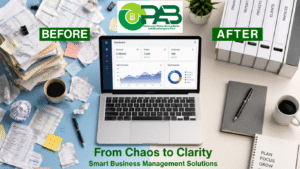
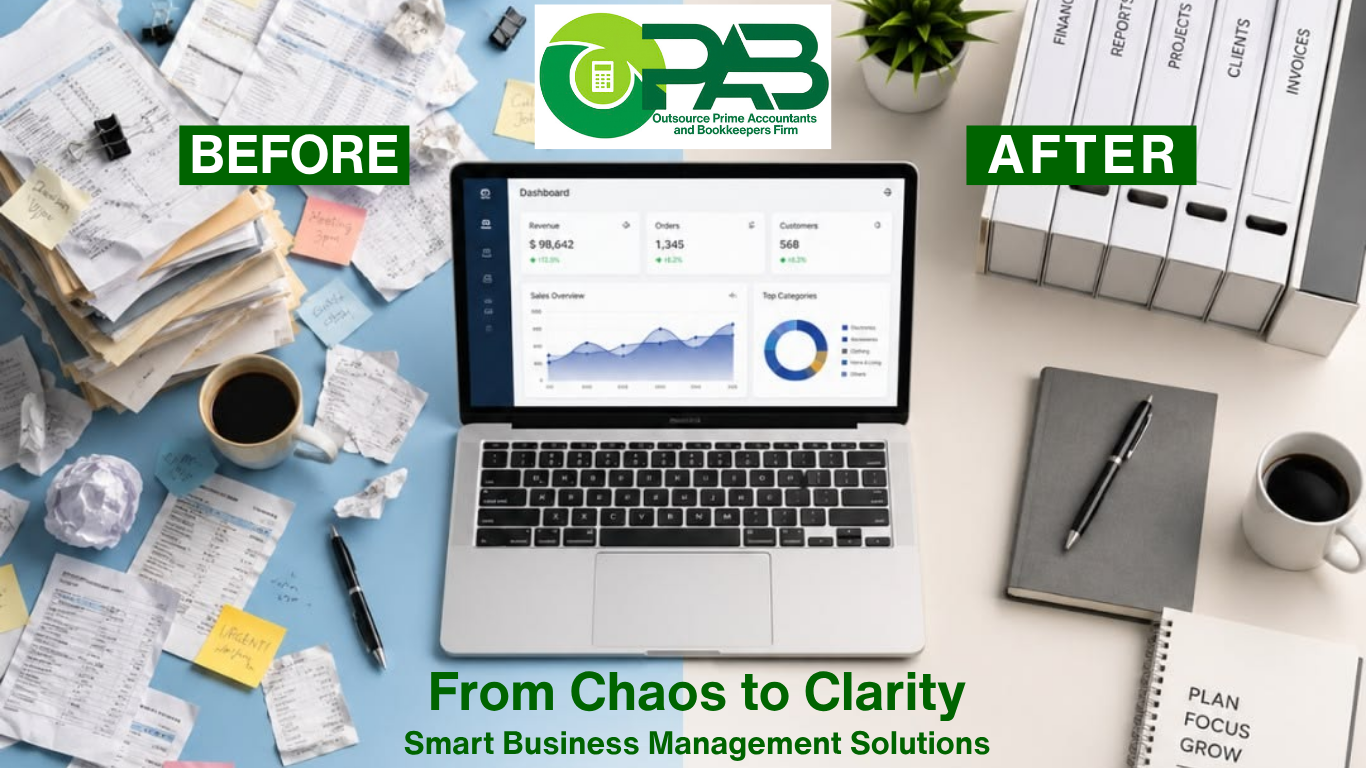
Accurate bookkeeping gives UAE businesses better financial visibility, stronger internal controls, and better preparation for tax filing.
From recording revenue and expenses to reconciling bank accounts and maintaining financial statements, clean books provide the foundation for better financial management and tax compliance.
If your business needs help maintaining accurate and organized financial records, OPAB provides outsourced accounting and bookkeeping services designed to support UAE businesses with reliable financial management and tax preparation.
Clean Books. Better Decisions. Stronger Compliance.