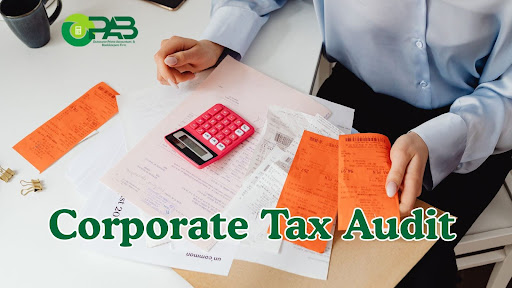
A corporate tax audit can sound intimidating, especially for business owners adjusting to new or evolving tax rules. Many people search for “corporate tax audit” because they want to know what it really means, who it applies to, and how to avoid costly mistakes. Understanding the process early helps you stay calm, organized, and compliant.
Read on to learn how a corporate tax audit works, what can trigger it, and how to prepare with confidence.
What Is a Corporate Tax Audit
A corporate tax audit is a formal review by the tax authority to check whether a company’s corporate tax return is accurate and compliant with tax laws. It focuses on verifying income, expenses, exemptions, and the supporting records used to calculate taxable profit.
During a corporate tax audit, authorities compare your filed return against accounting records and documents. The goal is to confirm that the correct amount of tax has been reported and paid, and that the filing matches the evidence in your books.
Why Corporate Tax Audits Are Conducted
Corporate tax audits exist to protect the integrity of the tax system and ensure fairness across businesses. Tax authorities use audits to confirm that companies follow reporting rules and apply reliefs correctly.
Audits are often risk based, which means they may be triggered by patterns that look unusual or inconsistent. A business may be selected due to inconsistencies in filings, gaps in documentation, or numbers that do not align with typical business activity for the same industry.
Is a Corporate Tax Audit Mandatory for All Companies
Not all companies are automatically selected for a corporate tax audit, but the tax authority has the legal power to audit a business to verify compliance. This means any company can be audited if the authority believes a review is needed.
Separately, some companies must prepare and maintain audited financial statements for Corporate Tax purposes. In the UAE, this includes taxable persons with revenue above AED 50 million in the relevant tax period and all Qualifying Free Zone Persons, so these businesses should plan for audit readiness as part of normal compliance.
Is an Audit Report Mandatory for Corporate Tax in the UAE
An audit report is mandatory for certain businesses because UAE rules require them to prepare and maintain audited financial statements for Corporate Tax purposes. This includes businesses with revenue above AED 50 million and all Qualifying Free Zone Persons.
Even when audited financial statements are not required for everyone, the tax authority can still request records and supporting documents during a corporate tax audit to verify your Corporate Tax return. If your records are clean and easy to trace, responding is simpler and faster.
The Four Main Types of Audit Explained
Businesses often hear different kinds of “audits,” and the terms can get confusing. The list below explains common audit types people talk about in plain language, so you can tell them apart.
- Internal audit
A review done inside the company to check controls, processes, and risks. - External audit
A review done by an independent auditor to verify financial statements. - Tax audit
A review done by the tax authority to confirm tax compliance and accuracy. - Statutory audit
An audit required by law or regulators for certain businesses.
A corporate tax audit is a type of tax audit. It focuses on your corporate tax filings and the records behind them.

Corporate Tax Audit vs Financial Audit
A corporate tax audit and a financial audit can review similar records, but they have different goals. A financial audit checks whether financial statements fairly represent the company’s financial position.
A corporate tax audit checks whether tax rules were applied correctly in your return. A company can pass a financial audit and still face tax adjustments if deductions, exemptions, or classifications were applied incorrectly for Corporate Tax purposes.
Corporate Tax Audit Process Step by Step
Most corporate tax audits follow a similar flow, even if the details vary by case. Understanding the steps helps you respond calmly and avoid delays.
- Audit notification from the tax authority
- Request for documents and explanations
- Review and clarification stage
- Findings and assessment
- Closure or further action, such as adjustments or disputes
Responding on time matters. Late responses and missing documents can create unnecessary issues, even when your return is mostly accurate.
Key Documents Reviewed During a Corporate Tax Audit
A corporate tax audit is mostly a documentation test. The more organized your records are, the smoother the audit process tends to be.
Commonly reviewed documents include:
- Corporate tax returns and schedules
- Financial statements and trial balances
- General ledger and journal entries
- Invoices, contracts, and receipts
- Bank statements and reconciliations
- Related party and transfer pricing records, if relevant
It also helps to keep a clear record trail for every major number in your return. As a practical rule for UAE compliance, businesses should keep Corporate Tax records for at least 7 years after the end of the relevant tax period, since record retention is a key part of audit readiness.
Common Corporate Tax Audit Errors Businesses Make
Many corporate tax audit problems come from simple mistakes and weak documentation. Fixing these patterns early can reduce audit risk and prevent painful back and forth.
Common mistakes include:
- Incorrect income classification
- Claiming deductions without strong support
- Missing or unclear documentation
- Late filings or inconsistent disclosures
- Misunderstanding exemption rules or relief conditions
If you want an extra layer of confidence, a pre-filing review from a qualified accountant can help catch issues before they become audit questions. Some businesses work with firms like OPAB to keep records clean and aligned with filing requirements, especially when using tools like Odoo, Zoho Books, or QuickBooks.
How to Prepare for a Corporate Tax Audit
Audit preparation is easier when you build good habits throughout the year. Instead of scrambling after a notice arrives, aim for simple routines that keep your books “audit-ready.”
Strong preparation includes:
- Reconciling accounts regularly so balances match reality
- Keeping clear audit trails for income, expenses, and adjustments
- Reviewing tax positions before filing
- Using reliable accounting software with clean reporting
- Getting professional guidance when your setup is complex
📚 Also read: How to Avoid Penalties for FTA Corporate Tax Filing?
How to Avoid a Corporate Tax Audit Legally
No business can guarantee it will never face a corporate tax audit. That said, you can lower your audit risk by keeping filings accurate, records complete, and positions easy to defend.
Legal ways to reduce audit risk include:
- Filing accurate, complete returns with consistent numbers
- Avoiding aggressive claims you cannot document
- Keeping invoices, contracts, and reconciliations well organized
- Replying quickly and clearly if the authority asks questions
Free Zone businesses should be especially careful about eligibility conditions and documentation. If you are claiming QFZP status, make sure your records support your position year-round, not just at filing time.
📚 Also read: Qualifying Free Zone Person UAE Corporate Tax Compliance Tips
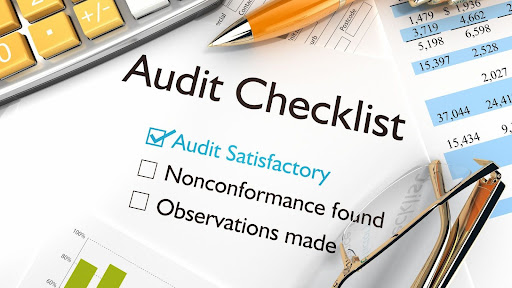
Corporate Tax Audit Deadlines You Must Know
Deadlines matter because late filing and weak follow-through can raise compliance risk. Staying on schedule also makes your records easier to review if a corporate tax audit happens.
Due Date for Corporate Tax Return
Corporate Tax returns must be filed within the timeframe set by the tax authority, commonly within 9 months from the end of the tax period. Late filing can trigger penalties and may increase the chance of follow-up review.
Filing is handled through official systems like EmaraTax, so it is smart to keep your account access, authority sign-in, and submission records organized.
📚 Also read: EmaraTax Login Guide UAE: How to Access and Fix Login Issues
Last Date for Company Audit in 2026
There is no single nationwide “last date” for a company audit in 2026 that applies to all businesses. Your audit timeline depends on your financial year end, your licensing or regulatory requirements, and whether you are required to maintain audited financial statements for Corporate Tax purposes, such as if you exceed AED 50 million revenue or you are a Qualifying Free Zone Person.
A practical approach is to complete your annual audit early enough to support your tax return preparation. If you wait too long, you may run out of time to fix reporting gaps before filing.
Penalties Related to Corporate Tax Audits
Penalties are usually tied to compliance failures, not the audit itself. If your records are complete and you respond on time, the audit process is often straightforward.
Penalties During or After a Corporate Tax Audit
Penalties during or after a corporate tax audit usually relate to non-compliance, not the fact that you were audited. Examples include late filing, late payment, submitting an incorrect return, or failing to provide requested information or documents on time.
If your business has several people handling finance tasks, it helps to set clear responsibility for deadlines and document requests. Some businesses also choose short training programs to keep internal teams aligned on Corporate Tax requirements and record keeping.
📚 Also read: Corporate Tax Training UAE: Registration, Filing, and Compliance
What Will Change From April 2026
Tax administration evolves as systems mature, and updates can affect how compliance issues are handled. One confirmed upcoming change in the UAE is an updated administrative penalties framework across UAE taxes, effective 14 April 2026.
This does not mean corporate tax audits automatically change on that exact date. It does mean businesses should stay alert to penalty-related updates and keep records clean, deadlines tight, and responses timely if the tax authority requests information.
Corporate Tax Audit Outcomes and What Happens Next
Not every corporate tax audit ends with a penalty or adjustment. Many audits close with no changes when records are accurate and complete.
Possible outcomes include:
- No changes required
- Tax adjustments and reassessment
- Requests for additional information
- Objections or dispute resolution processes, when allowed
If you receive audit findings, respond carefully and keep everything documented. A clear explanation backed by evidence is often more powerful than long email threads or rushed answers.
Conclusion
A corporate tax audit is not something businesses should fear, but it does require preparation, accuracy, and timely compliance. When your records match your return and your filing positions are well supported, the audit becomes a practical review instead of a stressful event.
If you need expert support for setting up accounting software or ensuring smooth compliance with tax and accounting requirements, consider reaching out to Outsource Prime Accountants and Bookkeepers (OPAB). OPAB works with businesses across Dubai and the UAE to implement and optimize software like Odoo, Zoho Books, and QuickBooks, ensuring clarity and compliance. Contact OPAB today for tailored guidance that fits your business.
FAQs About Corporate Tax Audit
Is a corporate tax audit the same as a statutory audit
No. A statutory audit focuses on financial statements, while a corporate tax audit focuses on tax compliance and corporate tax filings reviewed by the tax authority.
Can a company be audited even after filing correctly
Yes. Filing correctly lowers risk but does not remove the tax authority’s right to conduct a corporate tax audit to verify compliance.
How long does a corporate tax audit usually take
The duration depends on business size, record quality, and response time. Clear documentation and timely replies usually shorten the process.
What triggers a corporate tax audit
A corporate tax audit may be triggered by inconsistencies in filings, unusual financial patterns, missing documents, or risk indicators identified by the tax authority. Audits can also be conducted as part of routine compliance checks.
Do small businesses need to worry about corporate tax audits
Yes. While smaller businesses may face lower risk, the tax authority can audit any business to verify compliance. Maintaining accurate records and filing correctly helps small businesses handle audits more smoothly.