Introduction
Many small and medium-sized business owners view bookkeeping as something they simply need to do for tax filing and compliance.
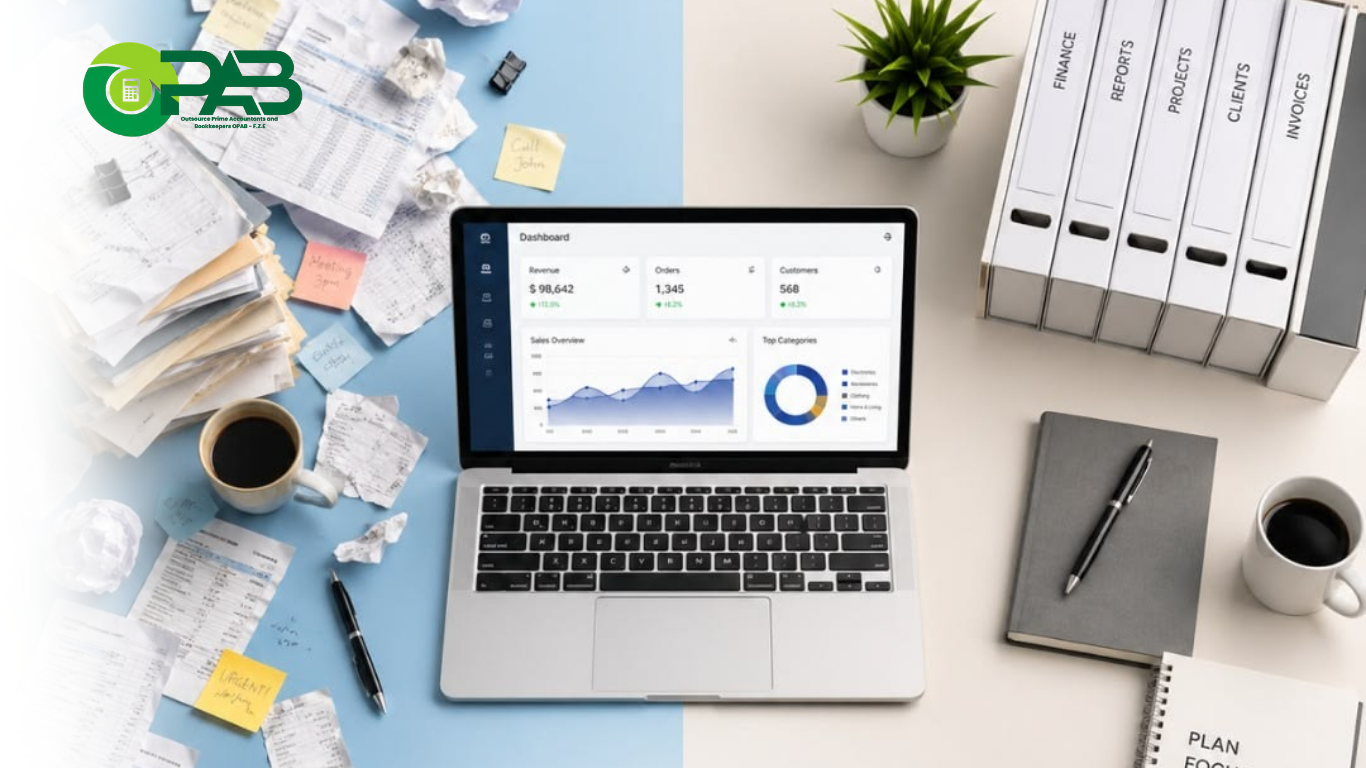
But bookkeeping is much more than an administrative requirement.
Accurate and up-to-date financial records give business owners a clear picture of where their money is coming from, where it is going, and whether the business is actually making money.
When bookkeeping is neglected, delayed, or inaccurate, the consequences can go far beyond messy records. Poor bookkeeping can lead to cash flow problems, inaccurate financial decisions, tax compliance issues, missed opportunities, and unnecessary costs.
For growing SMEs, reliable bookkeeping is not an expense—it is an important part of building a financially healthy business.
Why Bookkeeping Matters for SMEs
Bookkeeping is the process of systematically recording and organizing a company’s financial transactions.
This includes:
Sales and revenue
Business expenses
Customer payments
Supplier invoices
Payroll transactions
Bank transactions
Business assets and liabilities
Tax-related transactions
These records form the foundation of your financial reports and help you understand the financial health of your business.
Without accurate records, it becomes difficult to answer important questions such as:
Are we profitable?
How much cash do we actually have?
Which products or services generate the most profit?
Who still owes us money?
How much do we owe suppliers?
Can we afford to hire, expand, or invest?
Good bookkeeping gives business owners the information they need to answer these questions with confidence.
The Hidden Costs of Poor Bookkeeping
1. Poor Business Decisions
One of the biggest costs of poor bookkeeping is making decisions based on incomplete or outdated information.
For example, a business may appear to be doing well because sales are increasing. However, after accounting for operating expenses, unpaid customer invoices, loan payments, and other obligations, the actual financial position may be very different.
Without reliable financial records, business owners may:
Overspend on unnecessary expenses
Underestimate operating costs
Misjudge profitability
Invest in unprofitable products or services
Delay important financial decisions
Good decisions require good information.
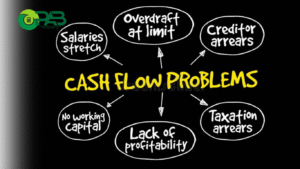
2. Cash Flow Problems
A profitable business can still experience cash flow problems.
This happens when money coming into the business does not arrive at the same time as money going out.
For example, a customer may purchase ₱500,000 worth of services but pay 60 days after receiving the invoice. Meanwhile, the business still needs to pay employees, suppliers, rent, utilities, taxes, and other expenses.
Without proper bookkeeping and cash flow management, these timing differences can create unexpected cash shortages.
Regular bookkeeping helps businesses monitor:
Accounts receivable
Accounts payable
Outstanding invoices
Upcoming expenses
Bank balances
Available working capital
This gives business owners better visibility over their actual cash position.
3. Tax and Compliance Risks
Poor financial records can also increase the risk of tax and compliance problems.
Missing transactions, incorrect classifications, incomplete documents, or delayed bookkeeping can make tax preparation more difficult and increase the possibility of errors.
Depending on the business and jurisdiction, mistakes may result in:
Incorrect tax filings
Missed filing deadlines
Penalties and interest
Difficulty responding to tax authority queries
Additional administrative work
Keeping organized financial records throughout the year makes tax preparation easier and helps businesses stay prepared for compliance requirements.
4. Lost Time and Productivity
Poor bookkeeping doesn’t only cost money—it also costs time.
When records are incomplete, business owners or employees may have to spend hours searching for receipts, invoices, bank transactions, and payment records.
Instead of focusing on customers, sales, operations, and growth, valuable time is spent fixing accounting issues.
Regular bookkeeping creates a more organized financial system and reduces the need for last-minute catch-up work.
5. Difficulty Measuring Profitability
Revenue alone does not tell you whether your business is profitable.
A company can generate significant sales while operating on thin margins or even losing money.
Proper SME accounting helps business owners understand:
Gross profit
Operating expenses
Net profit
Profit margins
Cost trends
Revenue by product or service
This information can reveal which areas of the business are performing well and which may need improvement.
6. Missed Growth Opportunities
Poor bookkeeping can also prevent businesses from taking advantage of growth opportunities.
Suppose an SME wants to open another branch, purchase equipment, hire additional employees, or apply for business financing.
The owner will need to understand the company’s financial position before making such commitments.
Accurate financial records can help demonstrate:
Revenue performance
Profitability
Cash flow
Assets and liabilities
Financial stability
Reliable financial information gives business owners greater confidence when evaluating expansion and investment decisions.
A Simple Case Study: Horizon Marketing Solutions
Business: Horizon Marketing Solutions (fictional example)
Horizon Marketing Solutions was experiencing steady sales growth but struggled with inconsistent bookkeeping and limited visibility over its cash position.
Invoices were not always recorded promptly, bank transactions were not regularly reconciled, and management did not receive consistent monthly financial reports.
As a result, the business had difficulty determining its true profitability and planning its cash requirements.
OPAB introduced a more structured bookkeeping process that included:
Regular transaction recording
Monthly bank reconciliations
Organized accounts receivable and payable tracking
Monthly financial reporting
Better monitoring of cash flow
With more reliable financial information, Horizon’s management gained a clearer understanding of profitability and cash requirements.
The business was able to make more informed financial decisions and became better prepared when considering financing and future growth.
The lesson: Better bookkeeping does not simply make records cleaner. It gives business owners better information to run the business.
Best Practices for Better Bookkeeping
Good bookkeeping does not have to be complicated. The key is consistency.
Here are several practices SMEs can implement:
Record Transactions Regularly
Don’t wait until the end of the month—or worse, the end of the year—to update your books.
Regular recording keeps financial information current and reduces the risk of missing transactions.
Reconcile Bank Accounts Monthly
Bank reconciliation helps identify missing transactions, duplicate entries, bank charges, and other discrepancies.
Separate Personal and Business Finances
Using separate accounts for business and personal transactions makes bookkeeping easier and gives you a clearer picture of business performance.
Keep Supporting Documents
Maintain organized copies of invoices, receipts, contracts, payment records, and other financial documents.
Review Financial Reports Monthly
Don’t just prepare financial statements—review them.
Monthly reports can help identify changes in revenue, expenses, profitability, and cash flow before problems become larger.
Use Reliable Accounting Software
Cloud-based accounting platforms such as Xero, QuickBooks, and Zoho Books can help businesses organize transactions, generate reports, and improve financial visibility.
Consider Professional Accounting Services
As a business grows, bookkeeping can become more complex.
Working with a professional bookkeeping or accounting partner can help ensure records remain accurate, current, and properly organized.
How OPAB Can Help
At OPAB Services, we believe bookkeeping should do more than record transactions.
It should give business owners financial clarity and confidence.
Our Accounting & Bookkeeping services help SMEs:
✅ Maintain accurate and organized financial records
✅ Keep transactions updated regularly
✅ Perform bank and account reconciliations
✅ Prepare timely financial reports
✅ Improve cash flow visibility
✅ Monitor business performance
✅ Stay organized for tax and compliance requirements
For businesses that need more than day-to-day bookkeeping, our CFO Advisory services can provide additional support in areas such as financial planning, budgeting, cash flow forecasting, performance analysis, and strategic decision-making.
The goal is simple: turn financial data into useful information that helps your business grow.
Frequently Asked Questions
Why is bookkeeping important for SMEs?
Bookkeeping provides accurate financial information that helps business owners manage cash flow, measure profitability, make informed decisions, and prepare for tax and compliance requirements.
How often should bookkeeping be updated?
Financial transactions should ideally be recorded regularly rather than left until the end of the month or year. Bank reconciliations and financial reports should generally be reviewed monthly.
Can poor bookkeeping affect cash flow?
Yes. Missing invoices, unrecorded expenses, inaccurate balances, and poor tracking of receivables and payables can make it difficult to understand the company’s actual cash position.
Should SMEs outsource bookkeeping?
Outsourcing can be a practical option for SMEs that don’t have an in-house accounting team. A professional bookkeeping partner can help maintain accurate records while allowing business owners and employees to focus on core operations.
Is bookkeeping only important during tax season?
No. Bookkeeping is a year-round business function. Up-to-date records help with cash flow management, budgeting, financial reporting, business planning, and day-to-day decision-making—not just tax preparation.
Final Thoughts
Poor bookkeeping can be expensive—but many of its costs are hidden.
The cost may appear as a cash flow shortage, an incorrect business decision, hours spent fixing financial records, a missed growth opportunity, or unnecessary compliance problems.
On the other hand, accurate bookkeeping provides something every growing SME needs: clarity.
With reliable financial records, business owners can understand their performance, manage cash more effectively, identify problems earlier, and make better decisions about the future.
Good bookkeeping is not simply about keeping your records organized. It’s about giving your business a stronger financial foundation.
At OPAB Services, we help SMEs build that foundation through professional Accounting & Bookkeeping and CFO Advisory services, so business owners can spend less time worrying about their numbers and more time focusing on growth.