Introduction
Running a successful business requires more than generating sales. Small and medium-sized enterprises (SMEs) need accurate financial information to understand performance, manage cash flow, control costs, and make confident business decisions.
Unfortunately, many business owners still rely on intuition, sales figures, or their bank balance when deciding whether to hire employees, expand operations, purchase equipment, or invest in new opportunities.
Financial reports provide a clearer picture.
When prepared accurately and reviewed regularly, financial reports help business owners understand what is happening financially and identify opportunities or problems before they become serious.
Why Financial Reports Matter for SMEs
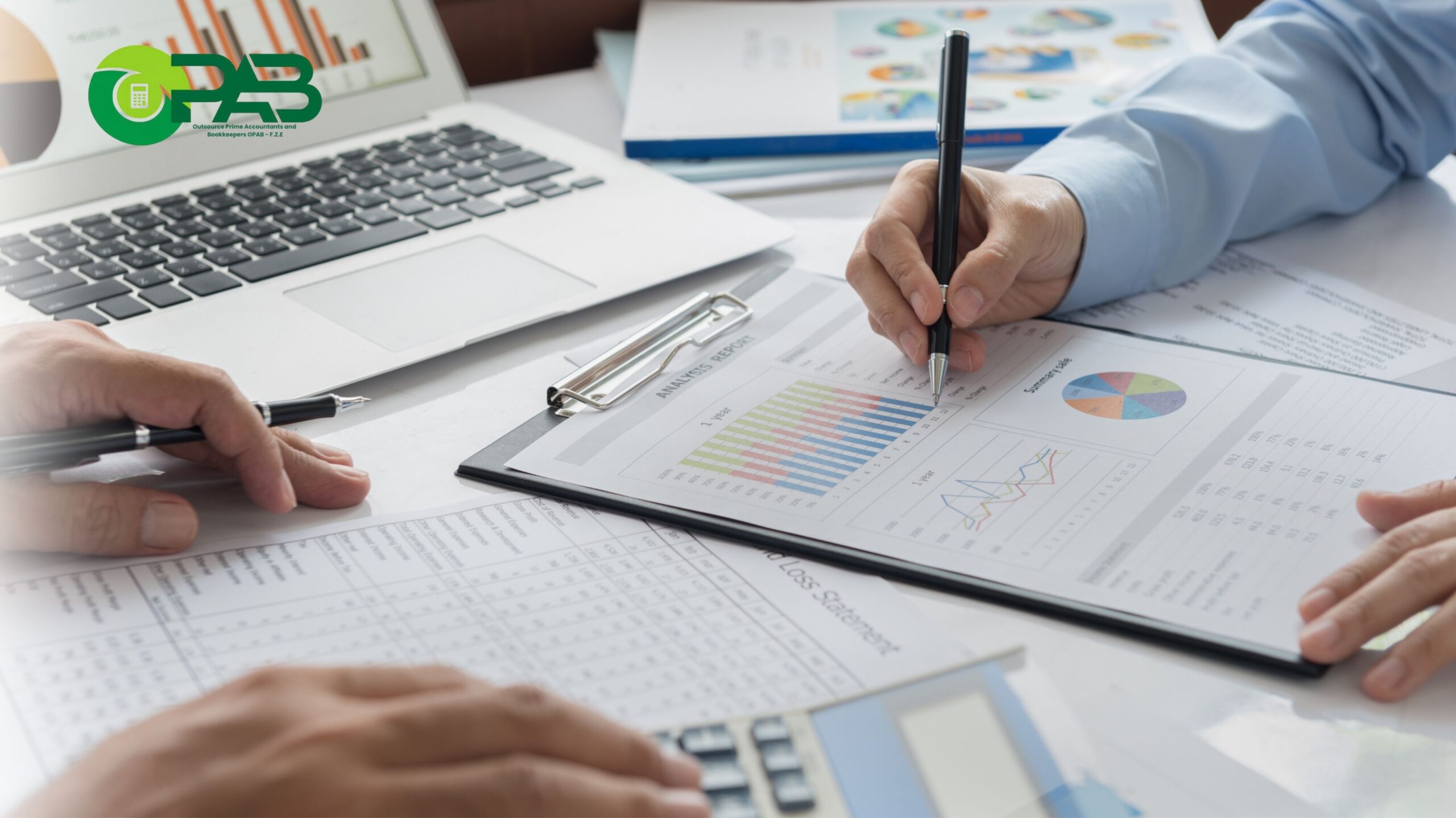
Financial reports summarize the financial activities of a business over a specific period. They show where money is coming from, where it is being spent, and whether the business is generating sustainable returns.
For SMEs, financial reports can help:
- Monitor profitability
- Track cash flow
- Control operating expenses
- Identify changes in revenue
- Measure business performance
- Monitor financial trends
- Plan budgets and investments
- Prepare for business expansion
- Make informed strategic decisions
Instead of asking, “Do we have enough money in the bank?”, business owners can ask more meaningful questions such as:
Are we actually profitable?
Which products or services generate the highest margins?
Where are our expenses increasing?
Can we afford to hire additional employees?
Do we have enough cash to support expansion?
These answers become easier to determine when reliable financial information is available.
Three Essential Financial Reports Every SME Should Understand
While businesses may use various financial reports, three of the most important are the Profit and Loss Statement, Balance Sheet, and Cash Flow Statement.
1. Profit and Loss Statement
The Profit and Loss (P&L) Statement shows the company’s revenue, expenses, and resulting profit or loss over a specific period.
It helps business owners determine whether the company is generating sustainable profits.
For example, increasing sales may appear positive. However, if expenses are increasing faster than revenue, the business may actually be becoming less profitable.
A P&L report can help identify:
- Revenue trends
- Gross profit margins
- Operating expenses
- Net profit
- Areas where costs are increasing
This information can support decisions about pricing, cost reduction, product offerings, and business strategy.
2. Balance Sheet
The Balance Sheet provides a snapshot of the company’s financial position at a specific point in time.
It summarizes:
- Assets
- Liabilities
- Owner’s equity
The Balance Sheet helps business owners understand what the company owns and owes.
For example, a company may have significant assets but also carry substantial liabilities. Reviewing the balance sheet can help owners assess financial stability before taking on additional debt or making major investments.
3. Cash Flow Statement
A business can be profitable and still experience cash flow problems.
The Cash Flow Statement tracks the movement of cash into and out of the business and helps owners understand whether enough cash is available to meet operating obligations.
Cash flow information is particularly important when managing:
- Payroll
- Supplier payments
- Rent and utilities
- Tax obligations
- Loan repayments
- Equipment purchases
- Business expansion
Understanding cash flow can help SMEs avoid situations where the business has sales and accounting profits but insufficient cash to pay immediate obligations.
How Financial Reports Support Better Business Decisions
Accurate financial reporting can directly improve everyday business decisions.
Hiring Employees
Before adding staff, business owners can review revenue, payroll costs, profitability, and projected cash flow to determine whether the business can comfortably support additional employees.
Expanding Operations
Expansion requires investment. Financial reports can help determine whether the business has sufficient financial capacity to open another location, increase inventory, or expand its services.
Adjusting Prices
If profit margins are declining, financial reports can help identify whether pricing needs to be adjusted or whether operating costs need to be reduced.
Controlling Expenses
Regular reporting can highlight unnecessary or rapidly increasing expenses. Business owners can then determine which costs should be reduced, renegotiated, or eliminated.
Purchasing Equipment
Before making a major purchase, management can review cash flow and financial position to determine whether buying the equipment is financially sustainable.
Applying for Financing
Banks and other financial institutions often require financial information when evaluating financing applications. Well-maintained financial reports can help demonstrate the company’s financial performance and position.
Case Study: Turning Financial Data Into Better Decisions
Business: Metro Office Solutions
Fictional example
Metro Office Solutions had been experiencing steady sales growth, but the business owner noticed that profits were not increasing at the same rate.
Instead of relying solely on sales figures, the company began reviewing monthly financial reports.
The reports revealed two important issues:
- Operating expenses had increased significantly.
- Several services generated strong sales but relatively low profit margins.
Based on these findings, management reviewed pricing, evaluated operating expenses, and focused more resources on higher-margin services.
Within six months, the business improved its profit margins and strengthened its cash flow.
The lesson is simple:
Higher sales do not automatically mean higher profits. Financial reports help business owners understand what is really happening behind the numbers.
How Often Should SMEs Review Financial Reports?
For most SMEs, monthly financial reporting provides a practical balance between timely information and manageable reporting requirements.
Monthly reviews allow business owners to compare:
- Actual revenue vs. budget
- Actual expenses vs. budget
- Current profit vs. previous periods
- Cash flow trends
- Accounts receivable and payable
- Key business performance indicators
The goal is not simply to produce reports.
The goal is to use the information to make better decisions.
How OPAB Helps SMEs Gain Financial Clarity
At OPAB Services, we help SMEs maintain accurate financial records and turn financial information into practical business insights.
Our Accounting & Bookkeeping services can help businesses maintain organized financial records and generate reliable financial reports.
For businesses that need deeper financial guidance, our CFO Advisory and Fractional CFO services can support:
- Financial performance analysis
- Cash flow management
- Budget preparation
- Financial forecasting
- Profitability analysis
- Management reporting
- Strategic financial planning
Whether you’re managing a growing SME or preparing for your next stage of expansion, having reliable financial information can make a significant difference.
Frequently Asked Questions
How often should SMEs review financial reports?
Monthly financial reviews are generally recommended for SMEs because they provide timely visibility into profitability, expenses, and cash flow.
Which financial report is most important?
Each report serves a different purpose. The Profit and Loss Statement focuses on profitability, the Balance Sheet shows financial position, and the Cash Flow Statement focuses on liquidity. Together, they provide a more complete view of the business.
Can financial reports improve profitability?
Yes. Financial reports can help identify unnecessary expenses, declining margins, underperforming products or services, and other factors affecting profitability.
Can a business be profitable but have cash flow problems?
Yes. Profit is not the same as cash. A business may record accounting profits while cash is tied up in unpaid invoices, inventory, or other assets.
Does every SME need a CFO?
Not necessarily a full-time CFO. However, growing SMEs can benefit from CFO-level financial guidance. Fractional or outsourced CFO services can provide strategic financial support without the cost of hiring a full-time executive.
Final Thoughts
Financial reports are more than accounting documents.
They are decision-making tools that help business owners understand performance, manage cash flow, control costs, and plan for sustainable growth.
When SMEs have accurate and timely financial information, they can make decisions based on facts rather than assumptions.
Better financial visibility leads to better business decisions.
At OPAB Services, our Accounting & Bookkeeping and CFO Advisory services help SMEs gain the financial clarity they need to manage today’s operations and confidently plan for tomorrow’s growth.
Clean Books = Peace of Mind.
Need better visibility into your business finances? Talk to OPAB Services today. Call us today!