Running a business in the UAE already means staying on top of VAT, corporate tax, and financial reporting.
Now, UAE e-invoicing is becoming a major change that every business owner must understand. If you issue invoices to other companies or government entities, this update will directly affect your daily operations. The good news is that with the right knowledge and support, compliance can be simple and stress-free.
Keep reading to understand how UAE e-invoicing works and what steps you should take today.
What Is UAE e-Invoicing, and Why It Matters for Your Business
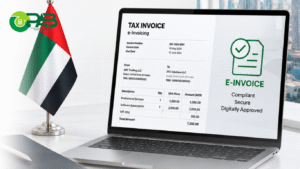
UAE e-invoicing is a government-regulated system where invoices are created and exchanged in a structured digital format instead of paper or PDF. It is part of the UAE’s plan to improve VAT compliance, reduce fraud, and modernize tax reporting.
In simple terms, UAE e-invoicing means:
- Invoices must be created in a structured electronic format, such as XML
- Invoices are sent through approved service providers
- Tax authorities can access invoice data digitally
- Manual or scanned invoices will no longer be enough
For business owners, this affects how you create invoices, how your accounting system works, and how you report VAT. If your systems are not ready, you may face compliance risks or penalties.
📌 Also read: Top FTA-Approved Accounting Software in UAE for Businesses
How the UAE e-Invoicing System Works

The UAE e-invoicing framework follows a structured exchange model built around secure digital transmission. It ensures that invoices move safely between supplier and buyer while remaining visible to the tax authority.
The 5-Corner Model in UAE e-Invoicing
The UAE uses what is known as the 5-Corner model. Here is how it works:
- The supplier creates the invoice in their accounting or ERP system
- The invoice is sent to the supplier’s accredited service provider.
- The invoice passes through the Peppol network
- The buyer’s service provider receives and validates it
- The buyer receives the structured invoice
The Federal Tax Authority can access the invoice data through this regulated system. This creates transparency and improves VAT reporting accuracy.
📌 Also read: FTA VAT Registration in the UAE: A Guide for Business Owners
Structured Format Instead of PDF
Under UAE e-invoicing rules:
- A simple PDF invoice will not be compliant
- The invoice must be in structured XML format
- Required fields must follow official data standards
- VAT details must be clearly included
This is not just about sending invoices by email. It is about using a digital format that systems can automatically read and verify.
Who Must Comply With UAE e-Invoicing
UAE e-invoicing will be introduced in phases starting in 2026. Businesses involved in certain types of transactions will be required to comply.
The main groups include:
- UAE e-invoicing is expected to apply to VAT-registered businesses involved in B2B and B2G transactions, with implementation details to be confirmed by the Ministry of Finance.
- Companies invoicing government entities
Over time, more businesses may be included. If you are registered for VAT in the UAE, it is smart to start preparing now.
If you run a real estate company, sports academy, or service-based business in Dubai, your invoicing process will likely need updates. This is where working with accounting experts can make a big difference.
UAE e-Invoicing Requirements You Should Know

Understanding the requirements early will help you avoid last-minute stress. UAE e-invoicing is not just about format. It also involves system integration and compliance processes.
Mandatory Invoice Data Fields
Your invoice must include accurate and structured data such as:
- Supplier and buyer name
- VAT TRN numbers
- Unique invoice reference number
- Invoice date and supply date
- Taxable amount
- VAT amount
- Total payable amount
Incorrect or missing information may cause invoice rejection.
Use of Accredited Service Providers
You cannot simply send structured invoices directly. Businesses must use approved Accredited Service Providers to transmit invoices through the Peppol network.
Choosing the right provider and integrating it with your accounting software is critical for smooth operations.
Record Keeping and Storage
Under UAE VAT law and e-invoicing rules:
- Digital invoices must be stored securely
- Records must be accessible for audits
- Retention periods must follow tax regulations
Having proper bookkeeping systems in place will make compliance easier.
Benefits of UAE e-Invoicing for Businesses
While it may feel like extra work at first, UAE e-invoicing offers long-term advantages.
Better VAT Compliance
Automated validation reduces errors in VAT calculations. This lowers the risk of penalties during tax audits.
Faster Invoice Processing
Structured invoices can be processed automatically. This means:
- Faster approvals
- Faster payments
- Less manual data entry
Improved Financial Clarity
When invoices are digital and structured:
- Reports are more accurate
- Cash flow tracking becomes easier
- Decision-making improves
For growing businesses in Dubai, financial clarity is key to sustainable growth.
UAE e-Invoicing Timeline and 2026 Rollout
The UAE plans to introduce mandatory e-invoicing in phases beginning in 2026. Larger taxpayers may be included first, followed by small and medium-sized businesses.
To prepare, businesses should:
- Review current invoicing systems
- Check ERP and accounting software capabilities
- Consult tax professionals
- Plan system upgrades early
Waiting until the last minute can create unnecessary operational pressure.
📌 Also read: Best Business in UAE: Top Opportunities & Ideas for 2026
How to Prepare Your Business for UAE e-Invoicing
Preparation is not only about technology. It also involves processes, training, and compliance checks.
Step 1: Review Your Accounting System
Check whether your current system supports:
- Structured XML invoices
- Integration with service providers
- Automated VAT reporting
If you are using Zoho Books, QuickBooks, or Odoo, make sure your setup aligns with future compliance requirements.
Step 2: Clean Up Your VAT and Accounting Records
Before switching to UAE e-invoicing:
- Reconcile VAT returns
- Ensure TRN details are correct
- Fix inconsistent invoice formats
- Review bookkeeping accuracy
Accurate data ensures smooth system validation.
Step 3: Work With Professional Accountants
Professional support helps you:
- Understand FTA VAT compliance rules
- Prepare for corporate tax filing
- Structure bookkeeping properly
- Avoid penalties
Outsource Prime Accountants and Bookkeepers (OPAB) supports businesses across Dubai with smart and transparent accounting solutions. They help real estate firms, sports academies, and service-based businesses streamline accounting using Zoho Books, QuickBooks, and Odoo.
Their expertise in FTA VAT compliance and corporate tax filing ensures your business stays compliant while focusing on growth.
UAE e-Invoicing and VAT Compliance

UAE e-invoicing is closely linked to VAT reporting. The Federal Tax Authority will have better visibility into transaction data, making accurate reporting more important than ever.
Common VAT risks include:
- Incorrect tax calculations
- Missing supporting documentation
- Late VAT return submission
- Inconsistent invoice records
With proper bookkeeping and accounting systems, these risks can be minimized. Working with experienced accounting professionals helps ensure your VAT returns align with your invoicing data.
📌 Also read: How to File VAT Return in UAE: Step by Step in FTA Portal
Common Challenges Businesses May Face With UAE e-Invoicing
Transitioning to UAE e-invoicing may bring some operational challenges, especially for businesses that rely heavily on manual processes.
System Integration Issues
Some businesses may face:
- Compatibility issues between accounting software and service providers
- Data migration errors
- Delays in system configuration
Early system testing and consultation with IT and accounting professionals can prevent disruptions.
Staff Training and Process Changes
Your finance team must understand the new invoicing workflow. Even small mistakes in data entry can cause invoice rejection under UAE e-invoicing rules.
Training should focus on:
- Entering complete and accurate invoice data
- Understanding VAT breakdowns
- Monitoring invoice validation status
- Maintaining proper digital records
Choosing the Wrong Setup
Selecting the wrong service provider or using poorly configured accounting software can create long-term problems. Businesses should evaluate technical compatibility, compliance capability, and ongoing support before committing.
This is where experienced accounting firms can guide you in selecting and implementing the right tools without disrupting daily operations.
UAE e-Invoicing vs Traditional Invoicing
Many business owners still rely on PDF invoices sent by email. Under the new UAE e-invoicing framework, that approach will no longer be enough.
Here is a simple comparison:
Traditional invoicing:
- PDF or paper format
- Manual data entry
- Higher risk of errors
- Limited visibility for tax authorities
UAE e-invoicing:
- Structured XML format
- Automated validation
- Digital transmission through approved networks
- Improved transparency for VAT compliance
The change may seem technical, but the goal is simple. It ensures invoices are accurate, traceable, and aligned with UAE tax laws.
Why Professional Accounting Support Matters for UAE e-Invoicing
As regulations evolve, business owners need more than basic bookkeeping. UAE e-invoicing connects directly to VAT filing and financial transparency.
Professional accountants help with:
- FTA VAT compliance
- Corporate tax filing
- Monthly bookkeeping and reconciliations
- System setup for Zoho Books, QuickBooks, and Odoo
- Audit readiness
OPAB is a trusted accounting service provider in Dubai built for growing businesses. They provide affordable and transparent accounting solutions trusted by hundreds of businesses across the UAE. Their team helps ensure your books, taxes, and reports stay compliant while you focus on running your company.
If you want peace of mind before the 2026 rollout, this is the time to review your accounting structure.
Conclusion
UAE e-invoicing is a major step toward digital tax compliance and financial transparency. It will change how businesses issue invoices, report VAT, and maintain records. Preparing early gives you time to adjust systems, train staff, and avoid penalties.
For more helpful guides and updates about UAE tax, VAT filing, corporate tax compliance, and accounting best practices, follow OPAB Outsource Prime Accountants and Bookkeepers.
If you want expert support tailored to your business needs, contact OPAB today and let their team handle your books, taxes, and compliance with confidence.
FAQs About UAE e-Invoicing
When will UAE e-invoicing become mandatory?
UAE e-invoicing is expected to roll out in phases starting in 2026. Larger businesses may be included first, followed by smaller companies. The government will announce specific implementation timelines. Businesses should begin preparing well before their designated phase.
Is a PDF invoice valid under UAE e-invoicing rules?
No, a simple PDF invoice will not meet the new requirements. UAE e-invoicing requires invoices in a structured electronic format such as XML. These invoices must be transmitted through approved service providers. Manual or scanned invoices will not be considered compliant.
Who needs to comply with UAE e-invoicing?
UAE e-invoicing is expected to apply to VAT-registered businesses involved in B2B and B2G transactions, with implementation details to be confirmed by the Ministry of Finance. The scope may expand over time. Companies operating in Dubai and across the UAE should monitor official announcements. Early preparation is strongly recommended.
What happens if a business does not comply with UAE e-invoicing?
Non-compliance may result in administrative penalties under UAE tax regulations once enforcement rules are finalized. It can also increase the risk of VAT reporting issues or audits. Incomplete or incorrect invoice data may lead to rejection. Staying compliant protects your business reputation and finances.
How can businesses prepare for UAE e-invoicing?
Businesses should review their accounting systems and ensure they support structured invoicing. Cleaning up VAT records and reconciling accounts is also important. Staff training and system integration planning should begin early. Consulting tax and accounting professionals can simplify the transition.