Find out how different types of accounting work and why they matter. This guide explains each branch in clear language so students, professionals, and UAE business owners can understand the foundations of accounting and stay compliant.
Accounting comes in different forms because every business needs specific information to stay organized and financially healthy. Some types track performance while others support cost control, planning, or tax compliance. Learning these branches helps you understand how companies operate and which method fits your goals.
What Are the Types of Accounting and Why Do They Matter
Understanding the main types of accounting helps you see how businesses record financial information, plan, and comply with regulations. Each branch has a specific purpose that supports better decision-making.
Different types of accounting exist because businesses need accurate information for planning, reporting, and compliance. Knowing these types helps you choose the right approach for your needs.
The Four Main Types of Accounting
These four major branches appear in almost all industries. Each type focuses on a different role in reporting, planning, and compliance.
1. Financial Accounting
Financial accounting focuses on preparing official financial reports that show how well a business is performing. These reports help investors, lenders, regulators, and stakeholders make informed decisions.
How Financial Accounting Works
✅ Records and summarizes financial transactions
✅ Creates statements like the balance sheet, income statement, and cash flow statement
What GAAP Means
GAAP refers to a set of rules that guide how financial information is measured and reported. It helps keep statements consistent, comparable, and trustworthy. In the UAE, most businesses follow IFRS instead of US GAAP, but both frameworks rely on similar principles to ensure accuracy and transparency.
Common GAAP Principles
✅ Revenue recognition principle
✅ Matching principle
✅ Cost principle
✅ Objectivity principle
✅ Full disclosure principle
✅ Going concern assumption
✅ Conservatism principle
2. Managerial Accounting
Managerial accounting supports internal decision-making. It provides data that helps managers plan, control costs, and analyze performance.
Why Managerial Accounting Is Useful
✅ Helps with budgeting and forecasting
✅ Shows the financial impact of business decisions
✅ Supports planning for growth and improvements
3. Cost Accounting
Cost accounting helps businesses understand the real cost of producing goods or offering services. This information makes pricing decisions more accurate and supports profit planning.
What Cost Accounting Tracks
✅ Materials
✅ Labor
✅ Overhead
✅ Profit margins per product or service
4. Tax Accounting
Tax accounting ensures that taxes are filed correctly and on time based on UAE laws. It focuses on VAT, corporate tax, and maintaining proper documentation.
Important Tasks in Tax Accounting
✅ Filing VAT returns
✅ Managing corporate tax records
✅ Preparing tax reports
✅ Reviewing financial records to avoid penalties
📚 Also Read: Zoho Books UAE: Smart Accounting Software for Businesses

Other Types of Accounting Used by Businesses Today
Many businesses use additional specialized branches depending on their industry, operations, or reporting needs. These types support transparency, problem-solving, and compliance.
Auditing and Assurance Accounting
Reviews financial statements to confirm accuracy and reliability.
Forensic Accounting
Investigates financial fraud and prepares information for legal cases.
Government Accounting
Monitors how public funds are collected, used, and reported.
Nonprofit Accounting
Handles donations, grants, and program spending using fund accounting.
Project Accounting
Tracks budgets, costs, and progress for construction, engineering, and similar projects.
Fiduciary Accounting
Manages money held in trust or for someone else.
International Accounting
Uses global reporting standards such as IFRS for companies operating across borders.
Environmental and Sustainability Accounting
Reports on environmental impact, carbon usage, and sustainability goals.
Accounting Information Systems
Combines accounting with software and technology. UAE businesses often use Odoo, Zoho Books, or QuickBooks for accurate reporting and automation.
The Five Types of Accounts in Accounting
These five categories organize every business transaction. Understanding them makes all other accounting concepts easier to follow.
✅ Asset: Resources a business owns.
✅ Liabilities: Obligations a business owes.
✅ Equity: Owner value in the business.
✅ Revenue: Income earned from activities.
✅ Expenses: Costs spent to run the business.
📚 Also read: UAE Corporate Tax Penalty: Late Filing, Registration, and Payment Rules
Basic Accounting Principles You Should Know
These principles guide how financial information is recorded and help maintain accuracy. Beginners should understand these before learning deeper accounting topics.
Common Accounting Principles
Revenue Recognition Principle: Income must be recorded when it is earned, not when payment is received. This keeps financial reporting consistent.
Matching Principle: Expenses must be recorded in the same period as the revenue they help generate. This shows a clearer picture of profitability.
Cost Principle: Assets should be recorded at their original purchase cost. This prevents inflated or subjective valuations.
Objectivity Principle: Financial information must be supported by reliable evidence. This keeps records unbiased and trustworthy.
Conservatism Principle: When in doubt, choose the option that results in lower profit. This prevents overstating financial performance.
Three Golden Rules of Accounting
✅ Debit what comes in
✅ Credit what goes out
✅ Debit expenses and losses, credit income and gains

Four Common Types of Accountants
Different accounting branches require specialized professionals. Each type of accountant handles different responsibilities.
Financial Accountants prepare financial statements, record transactions, and report results for external stakeholders. Their work focuses on accuracy and compliance.
Management Accountants create internal financial reports for decision-making. They assist with budgeting, forecasting, and performance evaluation.
Tax Accountants Handle VAT, corporate tax filings, and compliance. They ensure reports follow UAE rules and help businesses avoid penalties.
Auditors review financial statements to confirm accuracy and detect errors. They ensure that businesses follow accounting standards and internal controls.
Accounting Careers You Can Explore
✅ Auditor
✅ Tax specialist
✅ Forensic accountant
✅ Financial analyst
✅ Management accountant
How to Choose the Right Type of Accounting for Your Business
Selecting the right accounting approach depends on your business size, industry, and goals. A retail store may use cost accounting to measure product expenses, while a consulting firm may rely more on financial and tax accounting.
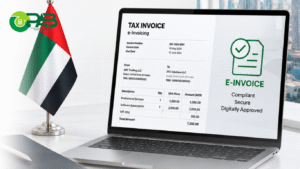
Many UAE companies work with OPAB for VAT compliance, corporate tax support, and accounting software setup using Odoo, Zoho Books, and QuickBooks. OPAB also helps businesses prepare for upcoming e-invoicing requirements, which will roll out in phases from 2026 to 2027.
📚 Also read: E-invoicing to be Implemented Next Year, 2026
Conclusion
Understanding the different types of accounting helps you make smart financial decisions and stay compliant. Each branch plays an important role in planning, tracking performance, and meeting UAE tax and reporting rules.
If you need help with accounting software, VAT registration, or corporate tax requirements, Outsource Prime Accountants and Bookkeepers OPAB offers support for businesses across the UAE. Contact OPAB today for expert guidance based on your business needs.
FAQs About Types of Accounting
What are the four types of accounting?
The four main types are financial, managerial, cost, and tax accounting. These branches help businesses track performance, plan ahead, and stay compliant. They form the foundation of most accounting systems.
What is GAAP in accounting?
GAAP is a set of rules that guides how financial statements are prepared. It ensures consistency and accuracy in reporting. While the UAE follows IFRS, GAAP principles still help explain how financial reporting frameworks work.
What is the simplest type of accounting for beginners?
Financial accounting is the easiest starting point. It focuses on basic reports like balance sheets and income statements. Beginners can learn core concepts quickly with this branch.
Which type of accounting pays the most?
Forensic accounting, auditing, and senior financial analysis often offer higher compensation. These roles require deeper technical expertise and advanced training. They also involve more complex financial work.
Is GAAP required for all businesses?
GAAP is not required in all countries, and the UAE uses IFRS as its main framework. However, GAAP remains useful for learning foundational accounting concepts. Many global companies use either GAAP or IFRS depending on their market.