Introduction
For many business owners, tax season becomes stressful not because of the tax calculations themselves, but because important records are scattered across emails, filing cabinets, spreadsheets, and accounting systems.
When financial documents are disorganized, preparing tax returns takes longer, compliance risks increase, and responding to requests from the Federal Tax Authority (FTA) can become a challenge.
The good news is that organizing your financial records does not require complicated systems. A few good habits throughout the year can make tax season significantly easier.
Start with Your Accounting Records
Your accounting records are the foundation of your tax reporting.
Ensure that your bookkeeping is up to date and that all transactions have been properly recorded. This includes sales, purchases, expenses, payroll, and bank transactions.
Businesses that maintain current accounting records throughout the year often find tax preparation much smoother than those trying to catch up months of transactions at the last minute.
Keep Sales and Purchase Invoices in One Place
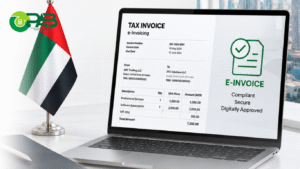
Invoices are among the most important documents for both VAT and Corporate Tax purposes.
Create a structured filing system for:
- Customer invoices
- Supplier invoices
- Credit notes
- Debit notes
Whether you use cloud storage or physical files, consistency is key. Documents should be easy to locate when needed.
Maintain Bank and Payment Records
Bank statements help verify transactions recorded in your accounting system and support financial reporting.
Keep copies of:
- Bank statements
- Payment confirmations
- Deposit records
- Credit card statements
Regular bank reconciliations can also help identify missing transactions or recording errors before tax season arrives.
Organize Contracts and Agreements
Contracts often support the business purpose behind transactions and can be important during compliance reviews.
Examples include:
- Customer agreements
- Supplier contracts
- Lease agreements
- Loan agreements
- Service contracts
Maintaining a dedicated folder for contracts makes future reference much easier.
Keep Payroll Documentation Updated
For businesses with employees, payroll records are an essential part of financial recordkeeping.
Ensure you retain:
- Employment contracts
- Payroll reports
- WPS records
- Bonus and commission documentation
- Employee benefit records
Accurate payroll documentation supports expense reporting and helps maintain compliance.
Review VAT and Corporate Tax Records
Tax filings should be supported by complete and accurate documentation.
Maintain organized records for:
- VAT returns
- Corporate Tax filings
- Tax calculations
- FTA correspondence
- Tax registration details
Having these documents readily available can save significant time during audits or compliance reviews.
Go Digital Where Possible
Many businesses are moving toward digital recordkeeping because it improves accessibility and reduces the risk of lost documents.
Cloud-based storage systems allow businesses to:
- Store documents securely
- Search records quickly
- Share information with advisors
- Maintain organized audit trails
Digital systems can also improve collaboration between business owners, accountants, and tax advisors.
Make Recordkeeping a Monthly Habit
One of the biggest mistakes businesses make is waiting until tax season to organize documents.
Instead, set aside time each month to:
- File invoices
- Reconcile bank accounts
- Review financial reports
- Update tax records
- Store supporting documents
Small monthly efforts can prevent major year-end headaches.
Final Thoughts
Tax season is much easier when financial records are organized, complete, and easy to access. Good recordkeeping not only supports tax compliance but also provides valuable insights into business performance throughout the year.
Rather than treating document organization as a year-end task, businesses should make it part of their regular financial management process.
At OPAB Services, we help UAE SMEs maintain accurate records, improve bookkeeping processes, and stay prepared for VAT and Corporate Tax obligations.
Call to Action
Is your business ready for tax season?
OPAB Services can help you organize your financial records, strengthen compliance processes, and ensure you’re prepared when tax deadlines arrive.
Contact OPAB — Outsource Prime Accountants and Bookkeepers — for a free consultation