Introduction
E-invoicing is coming to the UAE — and businesses that don’t prepare will face disruption. The FTA has been signalling the shift to mandatory electronic invoicing, and 2026 is a critical preparation window before phased mandatory adoption begins.
What Is E-Invoicing?
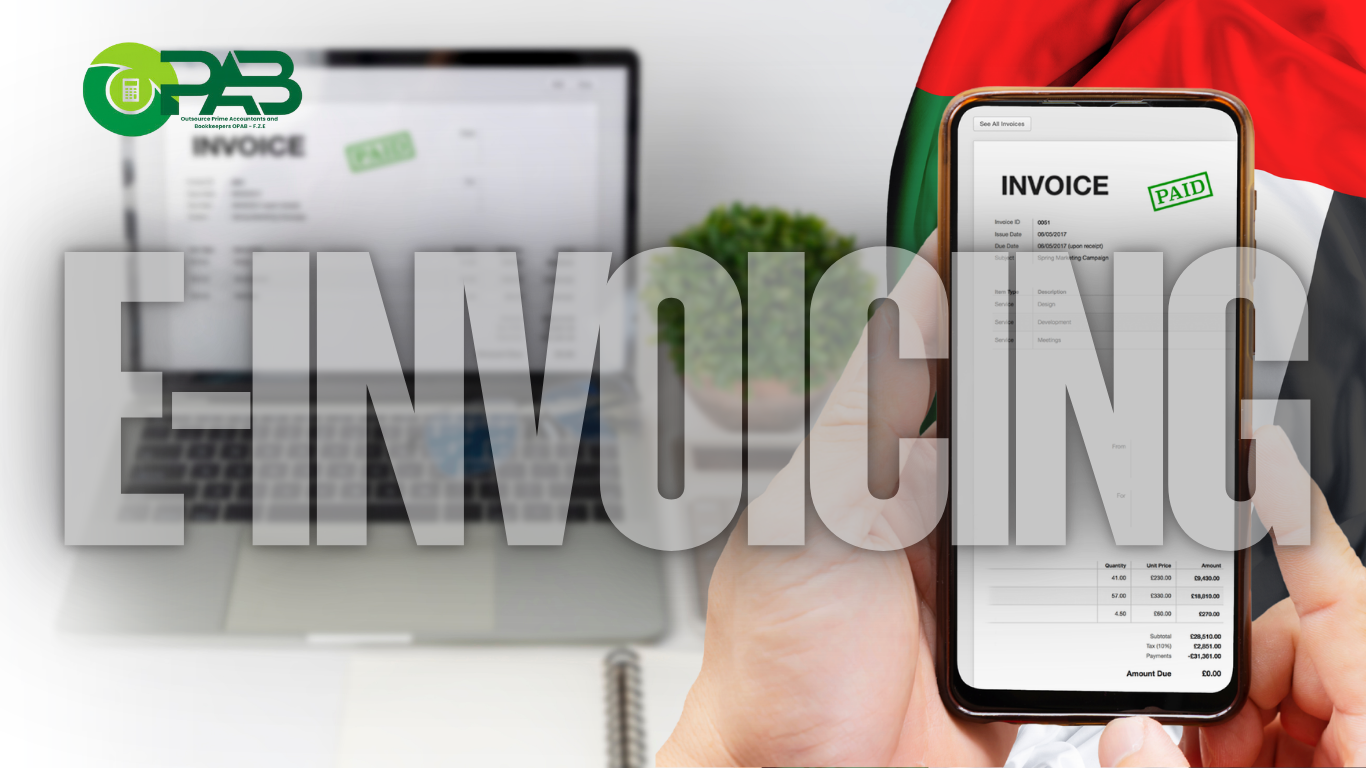
E-invoicing is the structured electronic exchange of invoice data between buyer and supplier, directly through a government-approved platform — not just emailing a PDF by email. The UAE model will likely require invoices to be generated in a structured digital format, such as XML, and reported or cleared through an FTA-connected system.
This is fundamentally different from the PDFs or Word documents most businesses currently use. It’s machine-readable, automated, and directly integrated with the tax authority’s systems.
Why Is the UAE Introducing E-Invoicing?
The FTA’s goal is to increase tax compliance, reduce VAT fraud, and create a real-time view of business-to-business transactions. For businesses, it means less manual data entry, fewer errors, and faster processing of VAT returns.
With e-invoicing, the FTA will have near-real-time visibility into every transaction — which means the era of estimated or reconstructed accounts is over.
The UAE’s E-Invoicing Timeline
As of 2026, the UAE’s e-invoicing mandate is in preparation and piloting phase. The Ministry of Finance and FTA have announced the phased rollout will begin for large businesses first, before extending to SMEs. Specific deadlines for SMEs have not been formally confirmed as of mid-2026, but the direction is clear: e-invoicing will become mandatory.
This makes now the time to prepare — not wait.
How to Prepare Your Business
1. Audit your current invoicing process
How are you currently generating invoices? If you’re using Word, Excel, or a basic invoice app, you’ll need to upgrade to software that can generate structured, FTA-compliant electronic invoices.
2. Move to a compliant cloud accounting platform
Xero, QuickBooks, and Zoho Books are all likely to remain UAE e-invoicing compatible. Make sure your accountant confirms that all support the FTA’s required format.
3. Review your supplier and customer processes
E-invoicing is two-way. Not only will you need to send compliant invoices, you’ll also need to receive and process them from suppliers. Review your procurement process too.
4. Ensure your VAT data is accurate
E-invoicing will make VAT discrepancies immediately visible to the FTA. Any historical issues with VAT treatment — wrong rates, missing records, inconsistent reporting — should be resolved now, before the spotlight is on.
5. Work with a UAE accounting firm
Implementing e-invoicing is as much an accounting challenge as a technology one. Work with a firm that understands both the FTA requirements and the software needed to comply.
The Bottom Line
E-invoicing will transform how UAE businesses handle transactions and tax reporting. Businesses that prepare early will have a smoother transition and a compliance advantage. Those that wait will face rushed implementation, higher costs, and potential penalties.
OPAB Is Already Preparing Its Clients
OPAB works with all major cloud accounting platforms and stays ahead of UAE regulatory developments. We’re already advising our clients on invoicing readiness — and we can help your business prepare too.
Ready to simplify your finances? Contact OPAB — Outsource Prime Accountants and Bookkeepers for a free consultation. Our team of UAE-based accounting experts is here to help your business stay compliant and grow with confidence.